























-

Black ASL (American Sign Language)
Katrina Thulin
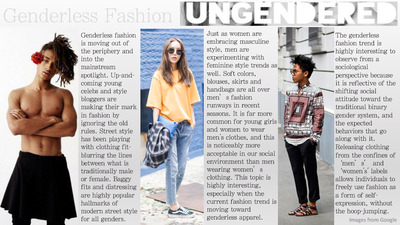
Presentation about Black ASL (American Sign Language) including it's origin, evolution, current study, and differences between mainstream ASL and Black ASL.
-

Psychonauts
Kara Koch
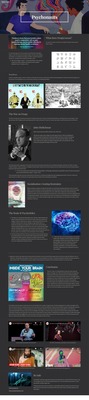
Psychonauts explores drugs, specifically psychedelics and some of their histories within the American government. It explores neural pathways within the brain and how LSD interacts with them. It finishes with a sociological analysis of the medical and historical information presented.
-
Muslim Woman:Heavenly Body, Communal Autonomy
SHADYAR OMRANI
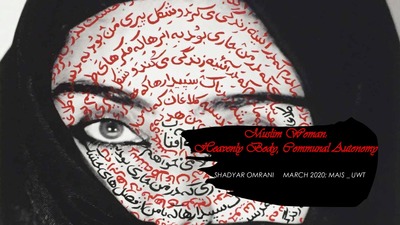
This project is a quick review and analysis of different socio-cultural impacts that influence the formation of a Muslim woman’s identity through the embodiment of womanhood and motherhood. I will argue that the self-determination of a Muslim woman’s body and autonomous social identity is highly influenced by their cultural and economic notions of self; the ground, based on which their emancipation can be better paved.
-
Princesses & Superheroes
Tiara Fore
As long as they have been around, princesses and superheroes have been the most prominent figures in children's media. This project focuses on how the gender expectations in this media affects children and how they participate in and see the world.
-

African Americans in Children's Literature
LaToya Love
The history of literature for African Americans is rooted in storytelling and song in order to give lessons or deliver messages among slaves. Taking a deeper look into the fables and stories from our childhoods, we can see major differences in how these stories portray African Americans, and as we look to the future how can African Americans deliver stories that are inclusive and uplifting for children?
-
Gender Inequality in Education
Ciarra Bernhoft
Education in the United States despite governmental acts to create gender equality within all classroom environments still manages to produce unequal opportunities based on gender.
-
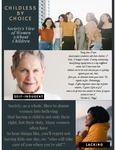
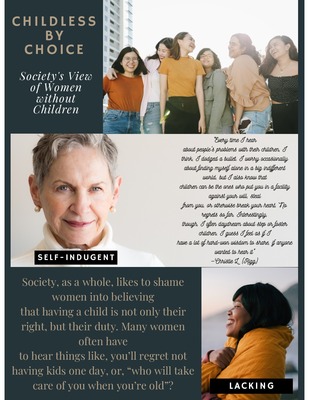
Childless By Choice
Sevrianna Bertrand
A look into how society view women who choose not to have children. Words like lonely, selfish, and sad tend to dance across the mouths of people talking about childless women, but science shows that often women without children are actually happier.
-
The Impact of Toxic Masculinity On Men's Mental Health
Amardeep Grewal
My project is about how toxic masculinity can affect men’s mental health. I discuss about how social norms of a man can negatively affect mental health.
-
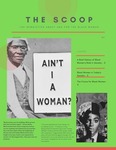
The History of Black Women in Society
La Toya A. Love
There was a time when black women were not considered human beings. They were animals, only good for labor and breeding. As time moved on, black women were stereotyped and still not seen as equal to their white counterparts. Now, black women are breaking down barriers and making history, showing that a black woman is not what society has negatively claimed, but worthy of much more appreciation and respect.
-
Representations of Virginity in the Media
DAKOTA MURRAY
This presentation focuses on representations of Virginity in media. Specifically, it uses the three virginity scripts presented within Kelly's Virginity Loss Narratives in ‘‘Teen Drama’’ Television Programs. This includes virginity as a gift, virginity as a rite of passage, and virginity as a stigma. This is supported with the inclusion of various prominent movie and television examples.
-

‘Maid in the USA’: Immigrant Women, Domestic Labor and Double Alienation
SHADYAR OMRANI and SHADYAR OMRANI
In the past three decades, as the economy of the industrialized countries has moved towards the growing Tech industry, middle-class women have found more opportunities to fill in white-collared job positions (McDowell, 2009). The increase in the rate of women’s participation in the labor market has made them less willing to do (or capable of doing) the housework and child/elderly care _ the tasks which are historically stereotyped as feminine (ibid). Therefore, a considerably growing trend in paid domestic labor is being introduced to formerly blue-collared and dominantly immigrant women (England, P.: 2005). The tasks which are regarded as “labor of love” and home as defined the place of “affection” are now commodified (McDowell, 2009; England, K.: 2010). The transformation of unpaid reproductive labor to paid reproductive labor as well as the transformation of home as a place of no-work to the place of production of surplus-value, not only affects women economically and socially but also intervenes in their identity formation.
This project takes a quick look at the situation immigrant women domestic workers experience, and how their embodiment of labor is affected through the transformation of unpaid reproductive work in their own home to the waged out-of-home reproductive labor. This study applies the lenses of feminist studies, sociology, geography and economics in the intersection of gender, race, and nationality to argue that to immigrant domestic working women such an economically transformative process generates double alienation due to the stereotypically genderized notion of the reproductive labor, as well as the racial/ethnic/transnational cultural conflicts.
-
Impact of Social Media on Feminism
Grace Verkuyl
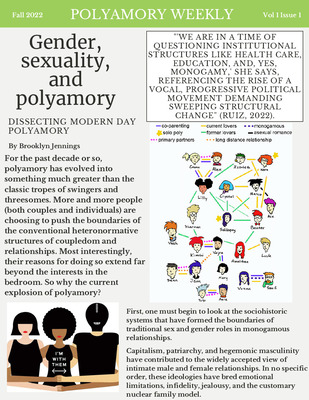
This project is about the influence of social media on feminism. It will include what online feminism currently is and what it strives to be, the positives of social media—fighting gender-based violence, change the conversation, social movements, and the intersection of technology and empowerment--, the negatives of social media—gender-based violence, “openness”, race, filtered data, and continuously being “on”—and, what to do now.
-
Pink Tax
Rachel Y. Thorsness
Abstract: The pink tax is the extra amount the average woman is charged for basic products or services. Even though these products contain the same ingredients as those marketed to men, there is a considerable difference in the amount women are paying. This tax is seen on personal care products, children toys, and auto-insurance.
-
Changing Gender Representation in Television
Alexandria N. Palmer
Representations on television have lasting effects on those who watch it, especially children. Unfortunately, in such a male-dominated industry, the lack of women creating television content mean men are predominately telling women's stories.
-

The Virginity Test
Navjoat Kaur
The focus of this visual project was on a type of test that is conducted in over 20 countries as a means to determine whether a woman is still a virgin or not. The project also looked at whether it is actually effective in determining virginity or not, and how this test has impacted women.
-
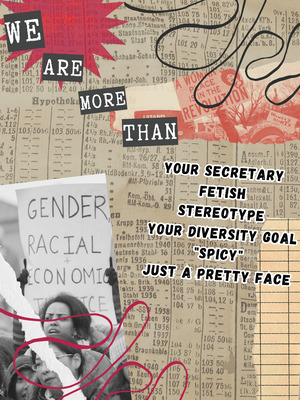
The Wage Gap
Navjoat Kaur
The project focused on the issue women have to deal with in their personal lives when they are the ones earning more money than their husbands. It also looked at how society, especially men, react and feel when women are the primary breadwinners.
-
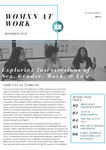
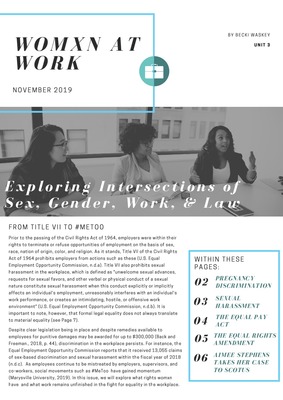
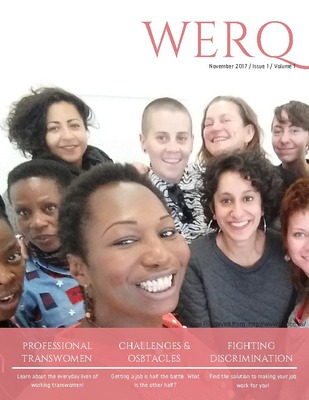
Womxn at Work: Exploring the intersections of Sex, Gender, Work, & Law
Becki Waskey
This informational pamphlet explores the experiences of womxn in the workplace, the relationship between normative gender standards and social movements, and a brief history of hard won legal protections. It also explores the formal legal protections that have yet to be solidified in the court of law.
-
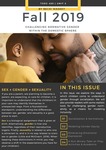
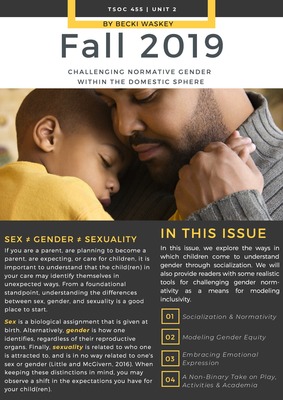
Challenging Normative Gender Within the Domestic Sphere
Becki Waskey
This informational pamphlet explores the ways in which socialization drives behavior and normative gender standards in early childhood.
-
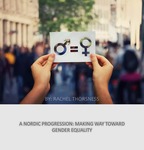
A Nordic Progression: Making Way Toward Gender Equality
Rachel Y. Thorsness
Gender inequality has continued to persist in the United States. This presentation captures how Nordic countries have closed 80% of the gender gap. By looking at the policies that have been successful in other countries, the United States may find solution in closing their own gender gap.
-
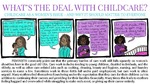
What's The Deal With Childcare: Childcare As A Women's Issue - And Why It Should Matter To Everyone
Jenny Janssen
A Visual presentation of a feminist perspective on access to affordable childcare, including how it affects various spheres of women's lives, and how it affects society at large. This zine briefly examines the historical context of Federally funded daycare during WWII, current effective childcare systems in place in other developed nations, and the many consequences which the lack of affordable childcare has on women and the entire economy in the USA today.
-
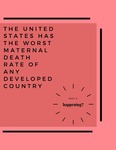
Maternal Mortality
Julia Merk
This Zine focuses on maternal mortality rates in the United States. The statistics in this presentation are mainly on the United States, with some global statistics as well. Information on improving these rates as well as which subgroups have the worst statistics are included,
-
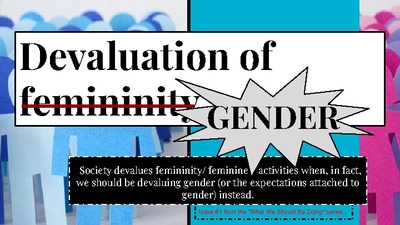
Gender Inequality for Men and Women at Work
Justyce Edgar
This presentation demonstrates societies view of men's work and women's work. We define key concepts like masculinity and femininity and then analyze how these ideas penetrate our work force today. With this notion, we then discuss how the workforce takes advantage of women and their work.
-
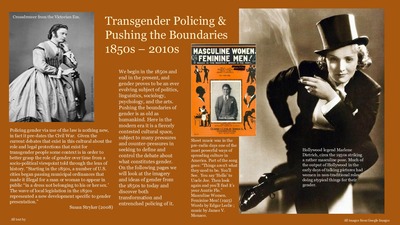
Gia Gunn: A Story of Learning, Doing and Relearning Gender
Katrina Thulin
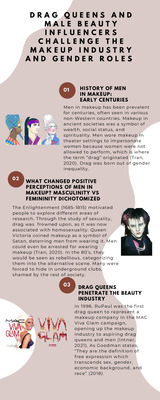
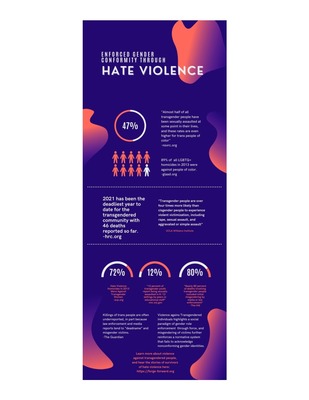
This presentation is about Gia Gunn, a transgender drag queen and how she, and all of us, learn, do and relearn gender regularly.
-
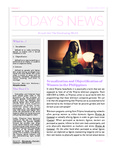
Sexualization and Objectification of Women in the Philippines
Zhaira Wincy Flores
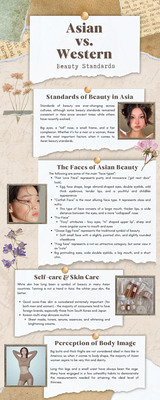
Explores the different reasons as to what contributes to the objectification and sexualization of Filipino Women. Discusses colorism, the inequity of skin color and how it is perceived by Filipino society, as well as the Skin Whitening Industry and how it has made a significant impact in the mindset of Filipinos to this day.
-

Lets Talk Virginity
Andrea Torres
This project goes into depth as to why we should leave this social construct (Virginity) behind us as it objectives many women.
Printing is not supported at the primary Gallery Thumbnail page. Please first navigate to a specific Image before printing.